How to Find Your Way Back to Creativity
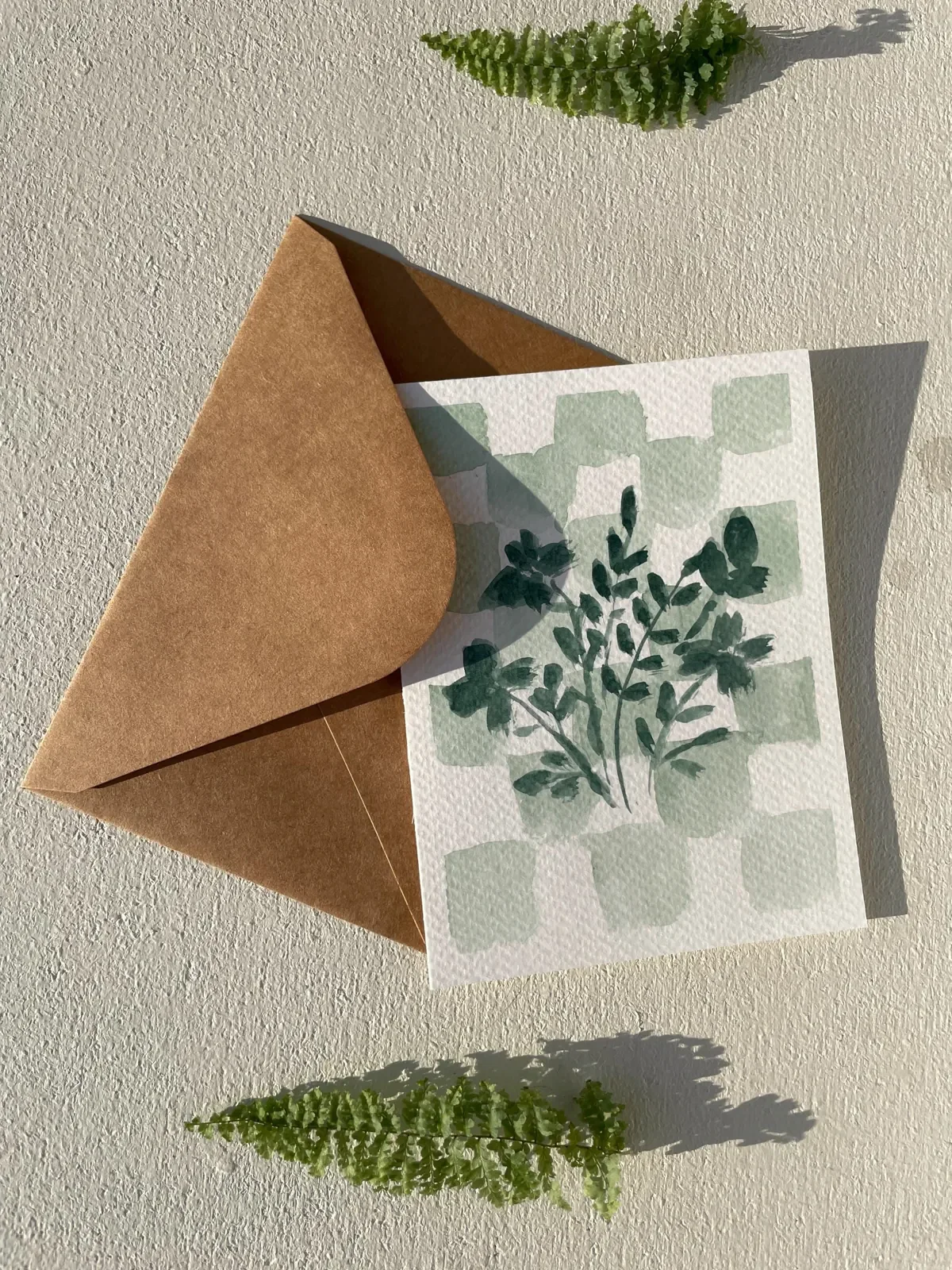
At some point, many of us quietly stop making things.
As children, we drew without hesitation.
We mixed unlikely colours, invented entire worlds and filled pages without wondering whether any of it was good enough. Creativity was not something we needed to earn or understand. It was simply something we did.
Then, somewhere along the way, we became more careful.
We began comparing. Correcting. Deciding that we were not naturally artistic, that we did not have enough time, or that there was little point in beginning unless the finished result looked impressive.
But creativity has never belonged only to artists.
It belongs to anyone willing to pause, pay attention and make a mark.
Whatever it is, the way you tell your story online can make all the difference.
[ Creativity begins with noticing ][
Painting and drawing can change the way you experience a place.
When you stop to paint a coastline, a flower, a crooked building or the view from your kitchen window, you begin to notice details that might otherwise pass unnoticed.
The unexpected blue within a shadow.
The shape of a leaf against the sky.
The way one colour softens into another.
You are no longer simply looking at the world. You are spending time with it.
The final painting may not perfectly resemble what you saw, but that is not the only measure of its value. The page becomes a record of your attention: where you were, what caught your eye and how the moment felt to you.
[ Let the page be imperfect ]
One of the quickest ways to lose the pleasure of creating is to expect every page to become something worth framing.
Some pages will feel balanced and beautiful. Others may become an unexpected mixture of muddy colour, uneven lines and abandoned ideas.
Both belong in a creative practice.
Try approaching your next page as an experiment rather than a performance. Test how much water your brush can hold. Layer two colours you would not normally combine. Paint the same object three different ways. Let one shape lead into the next without deciding where it must end.
Curiosity gives creativity somewhere to go.
[ Start with what is already around you ]
You do not need a sweeping landscape or a perfectly arranged studio.
Begin with something ordinary:
A shell collected on a walk.
Your morning coffee.
The view through a window.
A flower from the garden.
The colours you noticed on your way home.
Choose one small detail and spend ten minutes with it.
You could draw its outline before adding colour, or skip the pencil completely and allow the brush to define the shape. You could paint it carefully from observation, loosely from memory, or transform it into something entirely imagined.
There is no correct way to interpret what you see.
[ Try three ways of seeing ]
When you are unsure where to begin, explore one subject in three different ways.
From observation
Place an object in front of you and look closely before you begin. Notice its proportions, shadows, textures and irregularities.
Try to paint what is actually there rather than the simplified version your mind expects to see.
From memory
Put the object away and recreate it without looking.
What did you remember first? Which details disappeared? What became exaggerated?
The differences can be just as interesting as the similarities.
From imagination
Use the original object as a starting point, then let it become something else.
Turn a shell into a landscape. Allow a leaf to become a tiny boat. Transform a collection of colour swatches into an invented map.
Follow the idea before your inner critic has time to organise it.
Make creativity easy to return to
A creative practice does not need to be elaborate or consistent to count.
Five minutes at the kitchen table counts.
Painting while waiting for a friend counts.
A half-finished page counts.
Taking your colours on a walk and never opening them still counts.
Keep your materials somewhere visible or carry a small kit with you. When creativity is close at hand, it becomes easier to follow an impulse rather than postponing it for the perfect moment.
The best creative ritual is not the most disciplined or impressive one. It is the one you genuinely want to return to.
Keep the evidence of your exploring
Resist the urge to discard every page that does not immediately please you.
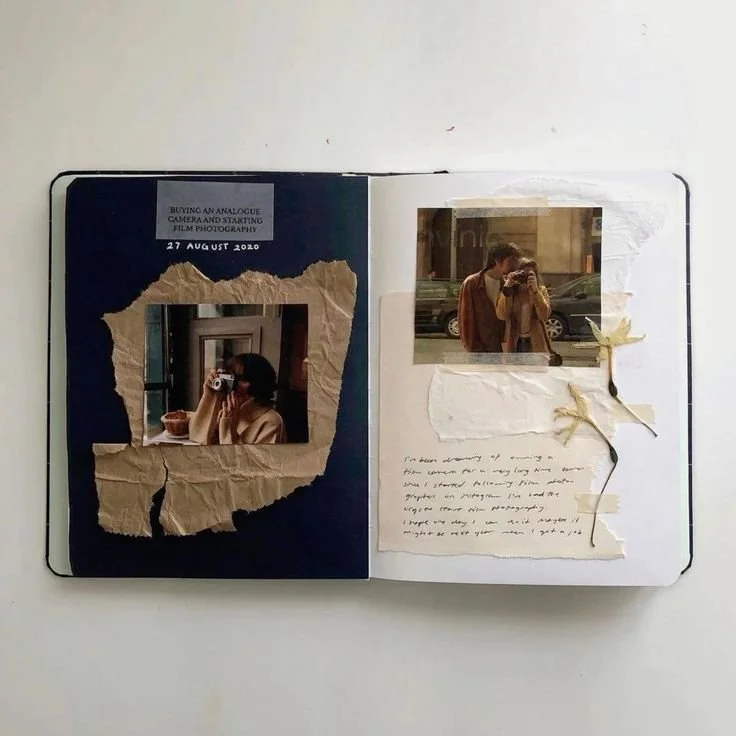
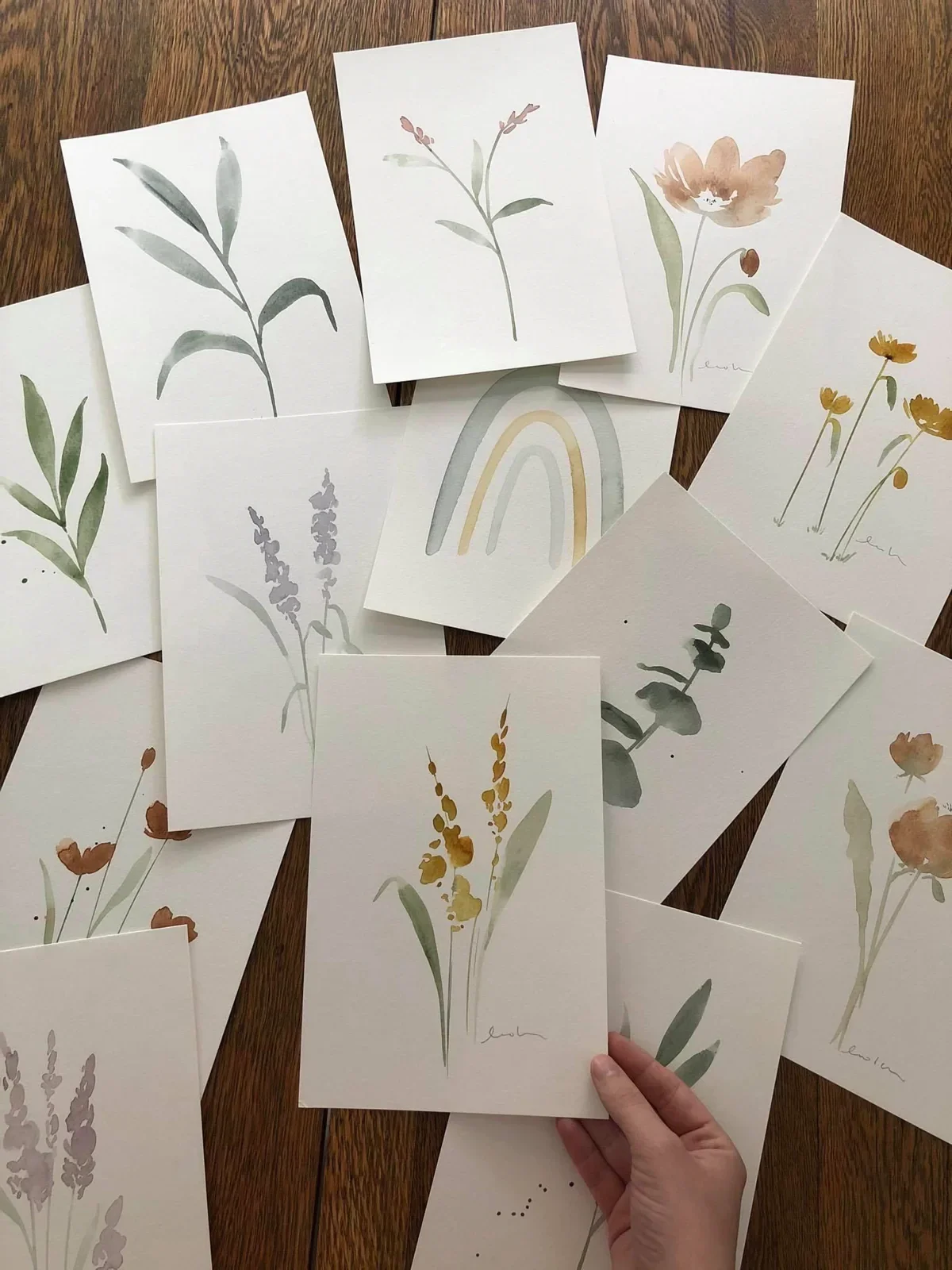
A sketchbook or collection of loose paintings can become a visual record of places visited, ideas followed and details noticed. Looking back, you may see progress in unexpected forms.
Perhaps your colours have become more confident.
Perhaps your marks are looser.
Perhaps you begin more easily.
Perhaps you simply notice more.
That is progress too.
[ A small creative side quest ]
Take your paints somewhere you would not normally use them.
Choose one colour that captures the atmosphere of the place. Add a second colour for something that caught your attention. Then make five marks that represent what you can hear, feel or see around you.
Do not worry about creating a recognisable picture.
Think of the page as a small map of the moment.
Creativity does not need to lead anywhere productive. It can simply bring you back into contact with your surroundings, your curiosity and yourself.
You do not have to become an artist.
You only have to begin.