Creativity & Curiosity
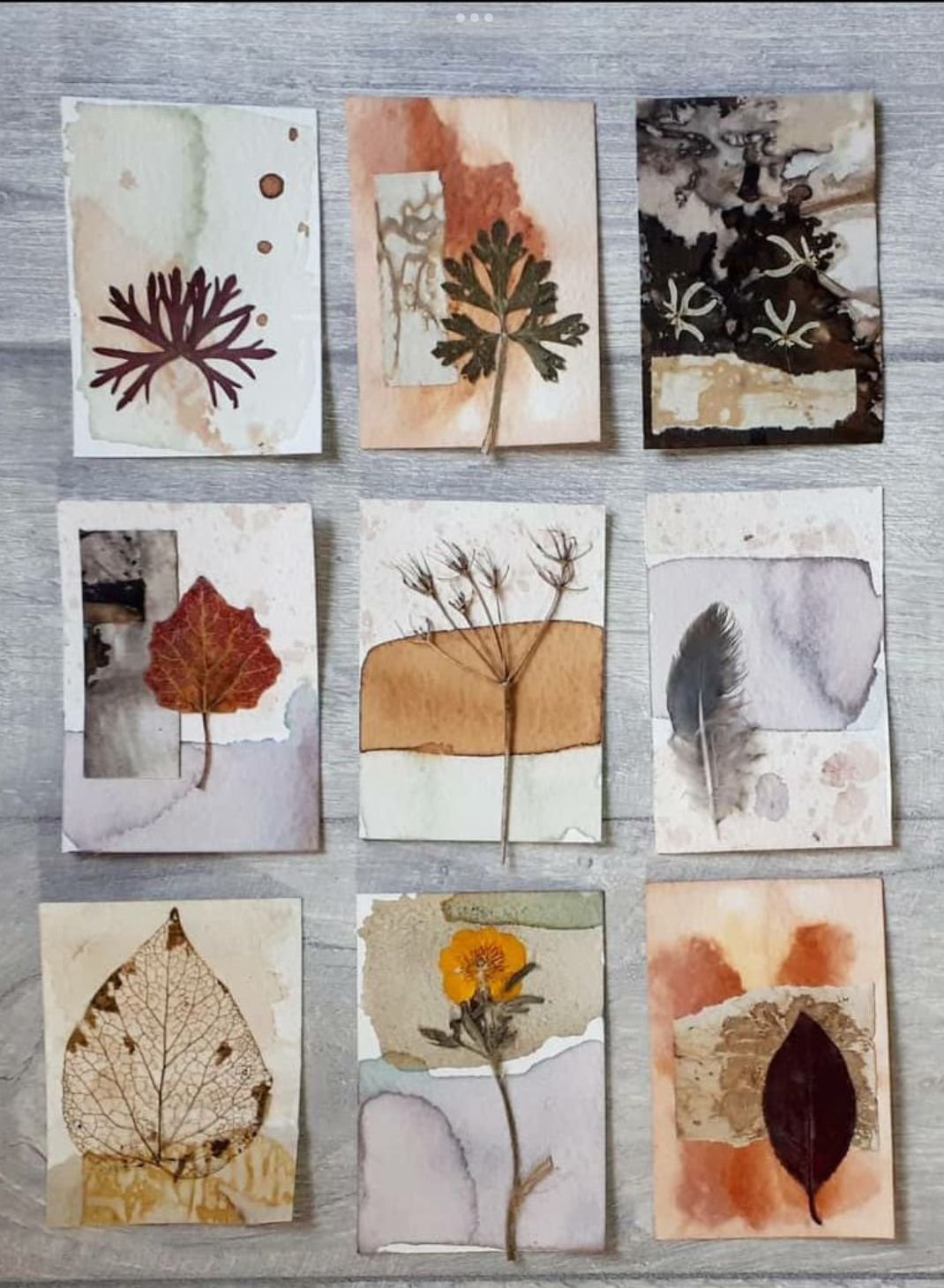
[ The Art of Paying Attention ]
When was the last time you watched a sunset without reaching for your phone?
Or sat somewhere beautiful without feeling the need to document it?
Or spent an hour doing something with no outcome, no productivity, and no purpose beyond simple enjoyment?
For many of us, it’s been a while.
Modern life is wonderfully convenient. We can access almost any piece of information instantly. We can work remotely, stay connected, and navigate the world from a device that fits in our pocket. Yet somewhere amongst the notifications, endless scrolling, and constant stimulation, many of us have developed an uncomfortable feeling.
The feeling that we’re moving through life faster than we’re actually experiencing it.
[ The Difference Between Looking and Seeing ]
There is a particular feeling that many of us recognise from travelling. It often arrives unexpectedly. Perhaps you’re sitting outside a small café in a town you’ve never visited before, watching people pass by. Maybe you’re walking a coastal track as the sun begins to set, or looking out the window of a train moving through an unfamiliar landscape. Whatever the setting, the feeling is usually the same. The world suddenly seems more vivid. Colours feel richer, details feel sharper, and time itself appears to slow down.
What makes these moments so memorable is not necessarily where we are, but how we are paying attention. Travel has a way of waking us up to our surroundings. We notice the texture of old buildings, the shape of mountains on the horizon, the flowers growing through cracks in the pavement, and the subtle differences between one place and another. We become curious observers again.
Back home, this way of seeing often fades. Familiarity has a habit of making things invisible. The streets we walk every day become background scenery. The trees outside our windows blend into the landscape. Entire seasons can pass without us really noticing how the light changes or how the colours of a place shift throughout the year. Life becomes efficient, and efficiency rarely leaves much room for wonder.
Perhaps this is why so many people are gravitating back towards analog pursuits. Across the world there is a growing interest in activities that invite us to slow down and engage with our surroundings more deliberately. People are buying film cameras, keeping journals, solving puzzles, tending gardens, reading physical books, and rediscovering the simple pleasure of making things with their hands. While these activities appear very different on the surface, they all share something in common. They encourage us to pay attention.
Painting is one of the most effective examples of this. Contrary to what many people assume, the real value of painting has very little to do with the finished artwork. Long before a brush touches paper, something else begins to happen. The painter starts looking more closely. Colours that once seemed ordinary reveal unexpected complexity. Shadows contain hints of blue and purple. A simple coffee cup becomes an interesting arrangement of shape, light, and texture. The world, which previously rushed by unnoticed, starts to offer itself up in small details.
This is perhaps the greatest gift that creativity offers. It changes the way we experience the world. Rather than moving through our surroundings on autopilot, we become participants once again. We begin collecting observations instead of merely consuming information. We notice things worth remembering.
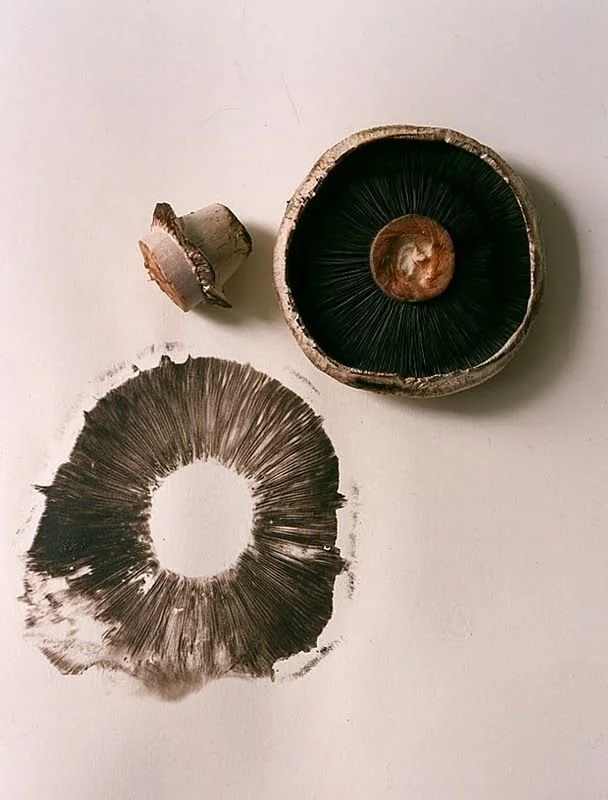
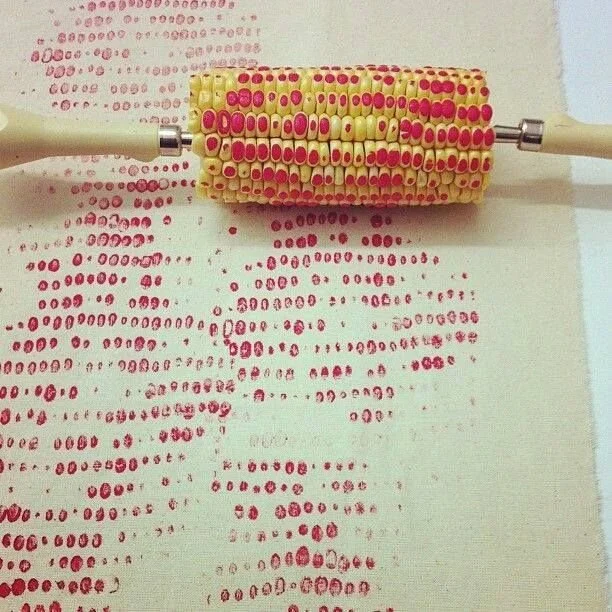
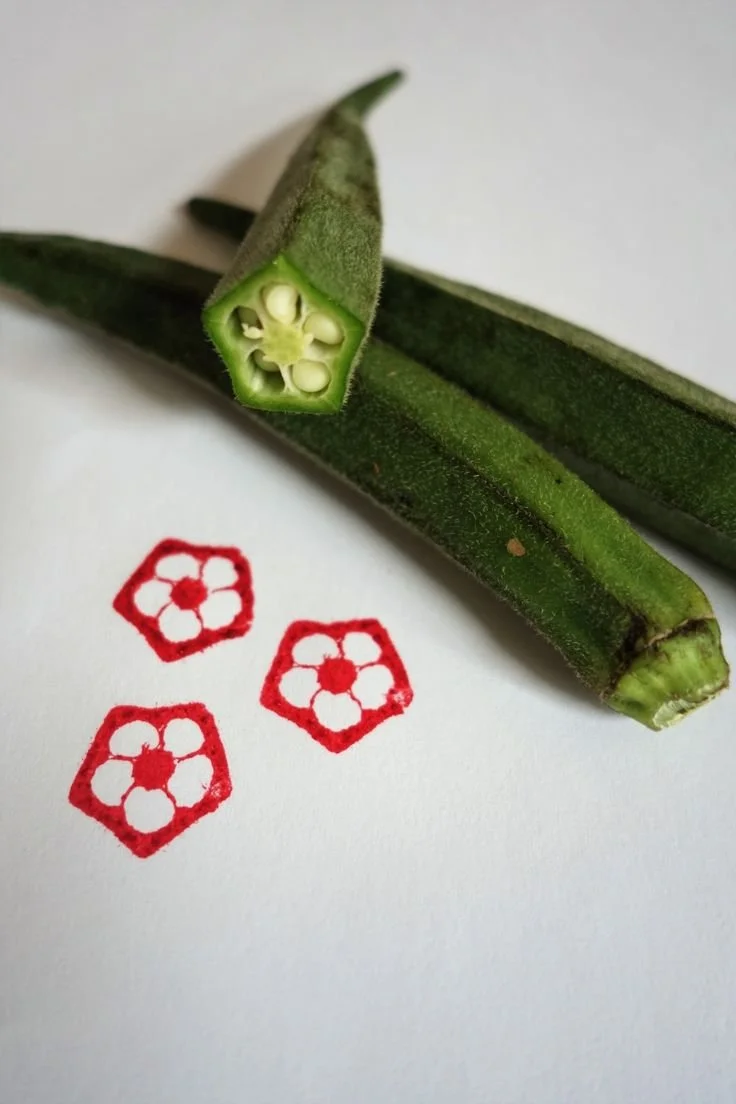
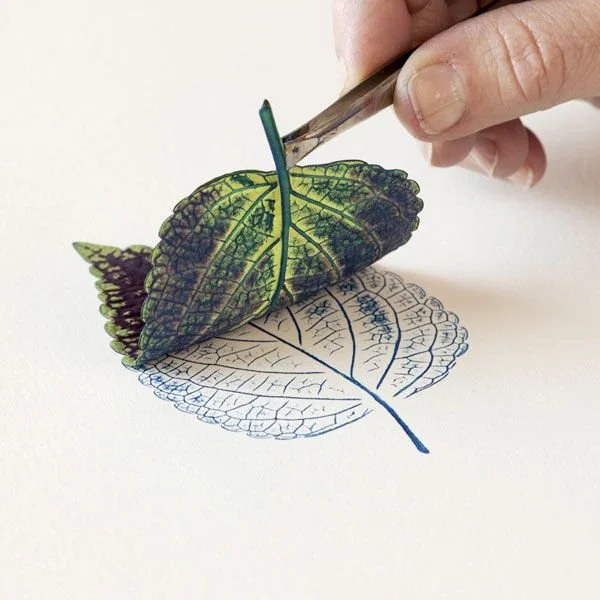
There is a reason why travellers have filled sketchbooks and journals for centuries. These objects were never simply records of places visited. They were records of attention. A quick sketch of a mountain range, a note about a conversation with a stranger, or a watercolour study of a quiet beach captured something that a photograph alone often cannot: the experience of being there. The act of creating required the traveller to slow down long enough to truly absorb the moment.
In many ways, modern life pulls us in the opposite direction. We consume more images, more information, and more content than at any other point in history, yet we often spend very little time fully engaging with what is in front of us. We photograph sunsets without watching them. We visit beautiful places while thinking about where to post the picture later. We move quickly from one experience to the next without allowing ourselves to fully inhabit any of them.
The answer is not necessarily to reject technology or retreat from modern life. It may simply be to create small opportunities for attention. To sit somewhere interesting with a notebook. To paint the view from a campsite. To document discoveries in a field journal. To spend an afternoon doing something that serves no purpose beyond curiosity and enjoyment.
At its heart, creativity is not really about making art. It is about learning how to look again. It is about rediscovering the sense of curiosity that travel naturally awakens in us and bringing that way of seeing into everyday life. The sketchbook, the journal, or the watercolour palette are merely tools. The real practice is observation.
Because the world has always been full of interesting things.
The challenge is simply remembering to notice them.